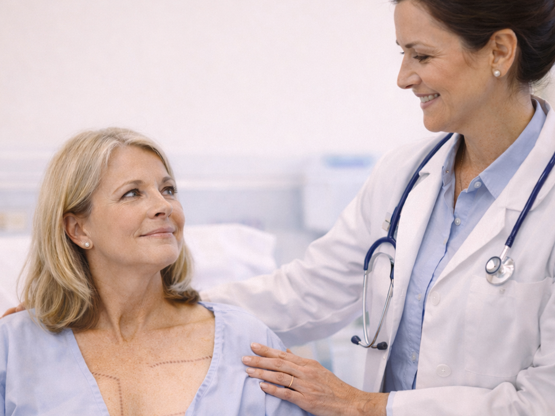




Mastectomy surgery: guidance for you and your loved ones
Preparing for mastectomy surgery can be an emotional experience for you or someone you love, and the journey can be filled with questions, worries and anxiety around what to expect. But whether you’re preparing for the procedure yourself, or supporting someone you care for, there are lots of helpful resources and reassuring voices you can turn to for knowledge and guidance.

When I was first told I needed a mastectomy, I was overwhelmed with fear and uncertainty. But by connecting with other women who had walked this path, I found courage I didn’t know I had.— amoena Ambassador
This guide is designed in two parts: the first for those preparing for or recovering from mastectomy surgery, and the second for those supporting a loved one.
Part one: If you’re preparing for mastectomy surgery
A mastectomy is the surgical removal of one or both breasts, most often recommended following a diagnosis of breast cancer. It may also be considered if there is a very high risk of developing breast cancer due to genetic factors.
Facing a mastectomy can bring a mix of emotions - fear, uncertainty, grief, and hope. It’s a big and personal decision that can feel overwhelming at times, but it’s also an empowering step toward healing and reclaiming control over your health and future.
Every mastectomy journey is unique
Trust your medical team to guide you through the options and what’s best for your body.
You may choose to have reconstruction surgery, or not
Both options are totally valid and personal.
Healing isn’t just physical
Your feelings, confidence and identity are part of the process too.
Once you’ve been told you need a mastectomy
There is no right or wrong way to feel or act. It’s completely normal to feel nothing for a while, or maybe you’ll experience a wave of emotions alongside the practical considerations ahead. The most important thing is to turn to your support system, whether that’s your family, a partner, social circle or support group.
Find a list of support groups here
Most typically, you’ll meet with your surgical team to discuss the procedure, recovery, and options such as reconstruction or wearing external brest forms. They should give you information about hospital stays, pain management, and follow-up care.
Preparing emotionally and physically is important, and support from loved ones, healthcare professionals, or peer groups can help you navigate everything with a bit more reassurance.
How to prepare
- Focus on practical things: Arrange support for meals, household help, and transportation to and from the hospital.
- Focus on your wellbeing: Journaling, talking openly with loved ones, or connecting with support groups can help.
- Comfort matters: Pack soft clothing, front-opening tops, and items that make you feel at ease.
Give yourself permission to rest, to cry, and to feel proud of every small step you take. Healing starts with kindness toward yourself.— amoena Ambassador
What to expect pre- and post-op
Before surgery
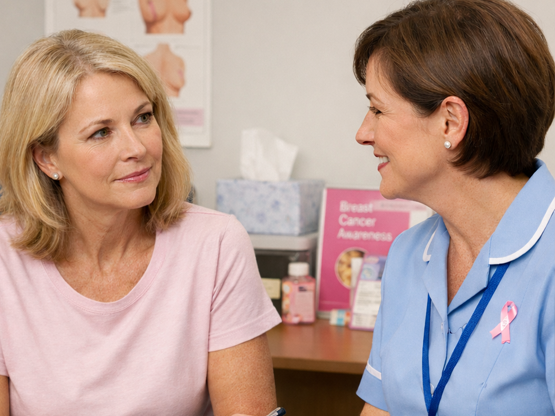
In the lead-up, you’ll usually have a series of pre-operative appointments and tests. These may include scans, blood tests, and discussions with your surgical team to ensure the procedure is tailored to your needs. You may also meet with a nurse specialist who will guide you through what to expect on the day of surgery, including information on drains, wound care, and the recovery process. These conversations are an opportunity to ask questions and address any concerns, helping you feel as prepared and supported as possible.
Here are some questions you can ask pre-surgery:
- What type of mastectomy is being recommended and why?
- What are my options for breast reconstruction, and do I need to decide before surgery?
- What will my chest look and feel like after surgery?
- How long will the surgery take, and what should I expect on the day?
- How long will I stay in the hospital, and what should I bring with me?
- What kind of bra should I wear after the surgery. Do I need to buy it before surgery and bring it with me?
- Will I need drains, and how are they managed?
- What are the risks and possible complications of the surgery?
- What kind of scarring should I expect, and how can I care for it?
- When will I be able to resume normal activities, including work and exercise?
- What emotional or psychological support is available to help me prepare?
After surgery
Following a mastectomy or lumpectomy, it’s normal to experience tenderness, swelling, and fatigue as your body begins to heal. Most people are able to return home within a few days, though recovery time can vary. Your surgical team will provide clear instructions on wound care, managing drains if used, and pain relief. Gentle physiotherapy exercises are often recommended to help restore movement and strength in the chest and shoulder area. Recovery is gradual, so it’s important to rest, listen to your body, and lean on your support system during this time.
Here are some questions you can ask post-surgery
- How do I care for my wound and drains at home?
- What signs of infection or complications should I look out for?
- What pain relief options are safe and effective for me?
- When should I come back for follow-up appointments?
- Are there specific exercises or physiotherapy I should begin, and when?
- How long will swelling and tenderness last?
- What clothes or bras are most comfortable during recovery?
- How might surgery affect my arm movement, and how do I regain strength?
- Who should I contact if I have concerns once I’m home?
- What support is available for coping emotionally with changes to my body?
Supportive products from Amoena
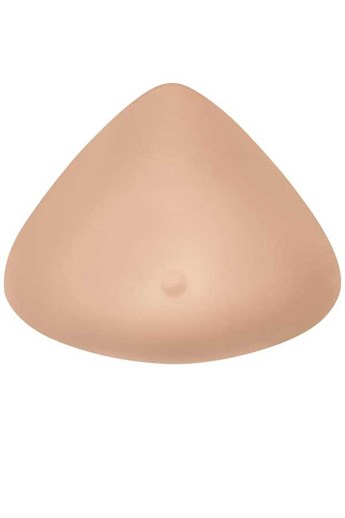
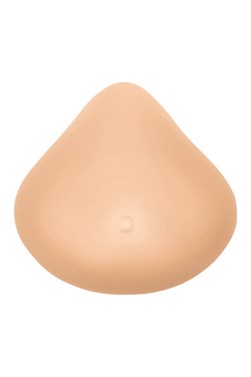
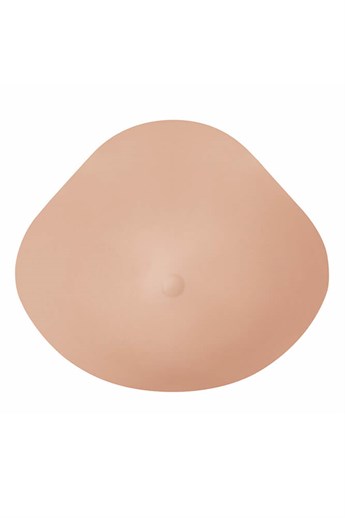
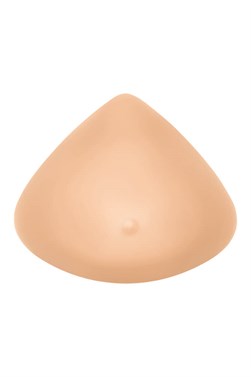
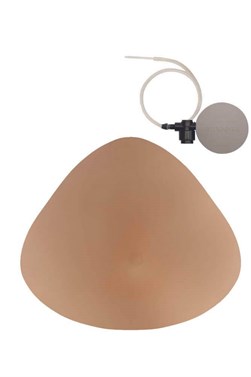
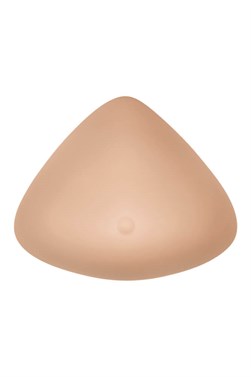
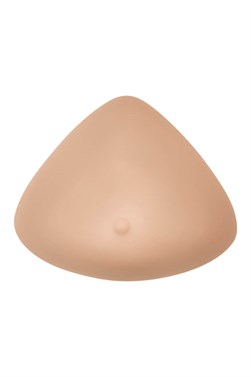
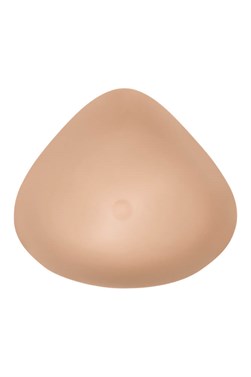
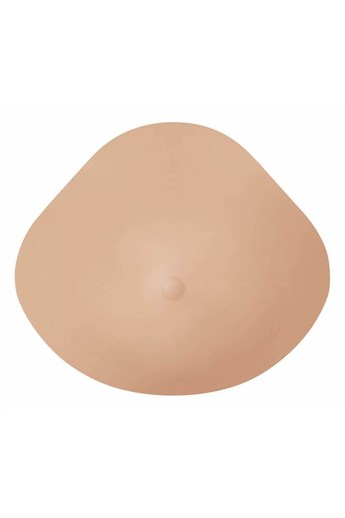
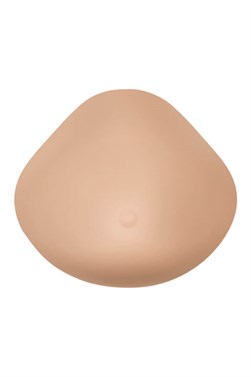
Amoena designs products specifically for women after breast surgery. From post-surgery bras with soft fabrics and gentle support, to external breast forms, which replace the whole breast and shapers that restore symmetry after breast conserving surgery , to swimwear collections that allow you to return to the water with confidence - these solutions are made to help you feel comfortable and supported. Wearing the right post-op garments can aid recovery, improve confidence, and help you reconnect with your sense of self.
Wearing my amoena bra for the first time made me feel whole again — it wasn’t just about fit, it was about feeling like myself.— amoena Ambassador
Part two: if you’re supporting a loved one
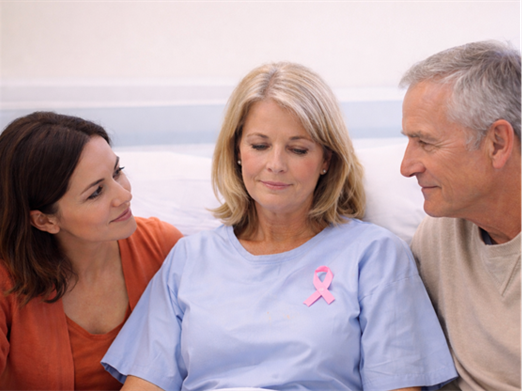
If someone you love is preparing for mastectomy surgery they may be experiencing anxiety, anger, grief, body image concerns or uncertainty about the future. It can be really tough to know how to support someone as they go through this, but patience and presence are two of the best things you can offer.
Some ways you can be supportive
- Be practical: Whether it’s meals, helping with transport, walking the dogs or tidying up around the house, this is a great time to offer really practical support.
- Be present: Watching a movie, having a coffee together and offering distraction can be really helpful. Sometimes just sitting together quietly can be really helpful.
- Be encouraging: Respect their choices about reconstruction, recovery pace, and self-image.
- Be positive: Bring a calm, reassuring and positive energy to your conversations.
How to support someone with breast cancer
When my sister had her mastectomy, I learned that just being present — sitting quietly or holding her hand — meant more than anything I could say.— amoena Ambassador
Taking care of yourself during this time
Supporting someone with breast cancer can be emotionally demanding, so it’s important to take care of yourself too. Make time for rest, eat well, and keep up with activities that bring you balance, whether that’s exercise, journaling, or spending time with friends. Remember that looking after your wellbeing helps you be present and supportive for your loved one. Talking to others who understand, for example support groups or helplines, can also provide comfort and reassurance.
If you’re unsure what to say, honesty is often best. You might acknowledge, “I don’t know the right words, but I’m here for you.” Listening without judgment and offering your presence can mean more than perfect phrasing. Avoid clichés like “stay positive”, which can feel dismissive, focus instead on validating feelings and letting your loved one guide how much or how little they want to share.
Common FAQs for supporters
What should I say?
You don’t need perfect words. “I’m here for you” is often enough.
How can I help without being overbearing?
Offer specific things (e.g., “Can I drive you to your appointment on Tuesday?”) rather than open-ended “Let me know if you need anything.”
What if my loved one doesn’t want to talk?
Respect their boundaries, but remind them you are available whenever they’re ready.
Mastectomy surgery is not only a medical journey but a deeply human one. For the person facing surgery, it involves courage, resilience, and healing. For loved ones, it’s an opportunity to show compassion in its truest form.