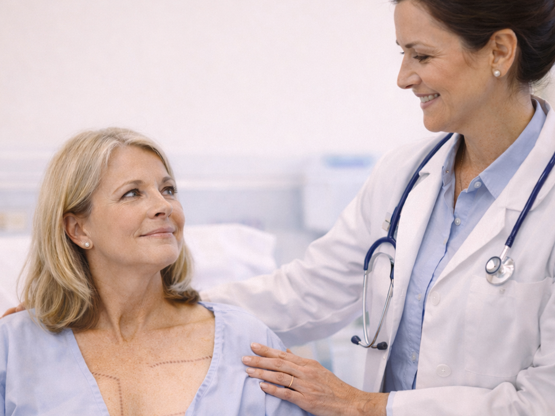




Lumpectomy surgery: guidance for you and loved ones
Whether you’re facing a lumpectomy yourself or supporting someone you care for, it’s natural to have plenty of questions about things like recovery, scarring, comfort levels and life afterward. With information and support, this journey can be one of healing and hope.

This guide is designed in two parts: the first for those preparing for or recovering from lumpectomy surgery, and the second for those supporting a loved one.
At Amoena, we have over 50 years of experience in breast care. We provide a range products designed for women who have undergone breast surgery or have natural breast asymmetry. Over the years we’ve pioneered advancements like silicone breast forms and post-mastectomy lingerie and swimwear, working closely with medical professionals and customers to ensure products are comfortable, effective, and meet the needs of women after breast surgery.
Part one: if you’re preparing for lumpectomy surgery
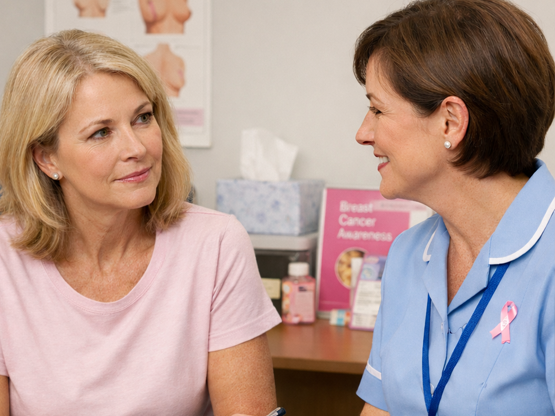
Whether you’re feeling calm or anxious about an upcoming surgery, one of the best things you can do is arm yourself with as much information as possible, and ask your medical team as many questions as you can to understand lumpectomy surgery, and what to expect.
A lumpectomy is also known as breast-conserving surgery. Unlike a mastectomy, which involves removing the whole breast, a lumpectomy involves removing an area of breast tissue surrounding the affected area. It’s often followed by radiation therapy to reduce the risk of recurrence.
In some cases, your surgeon may also perform a sentinel node biopsy to check nearby lymph nodes. This can slightly extend recovery time, but it helps ensure the best long-term outcome.
"When I first heard the word lumpectomy, I felt overwhelmed. But asking questions and planning small steps gave me back a sense of control. You’re stronger than you think."— amoena Ambassador
Practical tips to prepare for lumpectomy surgery
Hearing that you need a lumpectomy can stir up a wave of emotions and it’s completely natural to feel unprepared. This is exactly the right time to lean on the people you trust.
Focusing on small, practical steps can help you feel more grounded:
- Arranging help for meals, childcare, and transport to and from hospital.
- Purchasing soft, front-opening post-surgery bras and loose clothing.
- Focusing on emotional wellbeing with meditation, journaling
- Connecting with other women who’ve had lumpectomies either locally in person or online.
A few questions to ask your medical team before your lumpectomy surgery
- How long does a lumpectomy take?
- Will I also need a sentinel node biopsy?
- What type of lumpectomy scar can I expect, and how can I care for it?
- How long will I need off work to recover?
- What kind of bra should I wear after lumpectomy, and for how long?
- Can I skip hormone therapy after lumpectomy and radiation?
- Are there lifting restrictions after surgery, and for how long?
After surgery recovery and healing
Most people go home the same day or within 24 hours. You may feel tired, tender, or swollen, which is completely normal.
Lumpectomy recovery tips
- Time off work: Recovery time varies from 1–2 weeks depending on your job and whether lymph nodes were removed.
- Wound care: Look out for signs of infection after lumpectomy such as redness, warmth, or discharge. Contact your medical team if you’re concerned.
- Pain management: Mild discomfort is common; your doctor can recommend safe medication or non-medicated options.
- Exercise: Gentle physiotherapy helps restore movement and prevent stiffness.
Healing takes time, and that’s okay. I learned to celebrate small wins—like getting dressed without pain. Be patient with yourself; every day is progress"— amoena Ambassador
Lumpectomy scars, healing, and long-term care
- Healed lumpectomy scars typically fade into thin, pale lines after a few months and like with any surgery, you’ll see visible changes during the process.
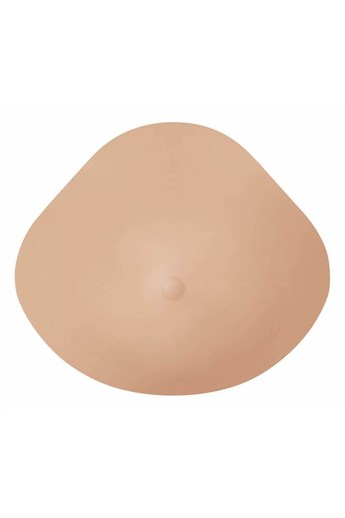
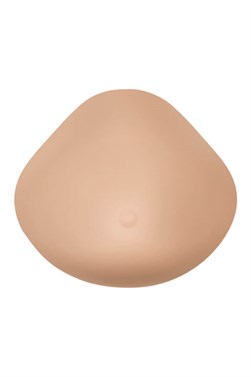
- A dent in the breast can occur after a lumpectomy if more tissue was removed, but breast shapers can help restore symmetry.
- Breast tissue doesn’t grow back after a lumpectomy, but your breast can naturally reshape as swelling reduces.
- Massage and movement exercises may help reduce tightness but please speak to your medical team about the best way to approach this.
- Some women experience breast pain after lumpectomy and radiation; this is often due to nerve healing or tissue sensitivity and is not uncommon. Speak to your doctor if this persists.
Supportive products to try
Amoena designs products to help you feel comfortable and confident after breast-conserving surgery.
- Post-surgery bras provide soft, front-fastening designs for gentle support.
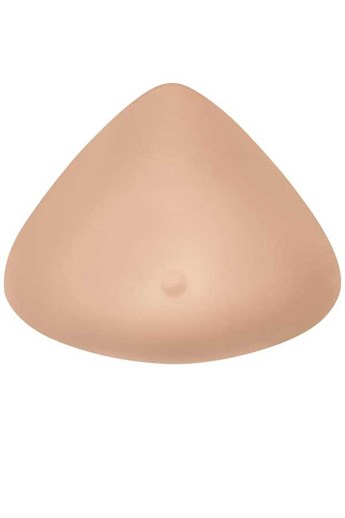
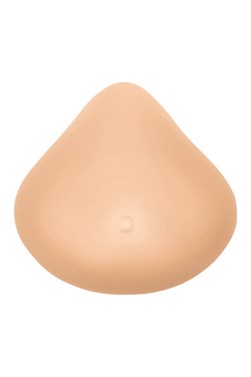
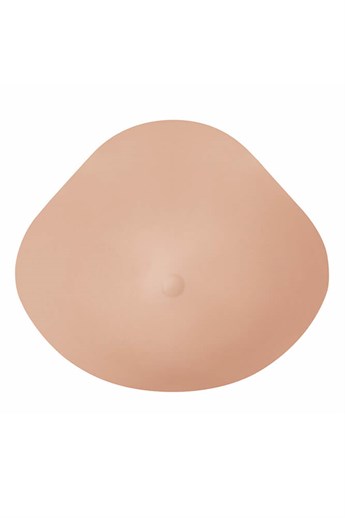
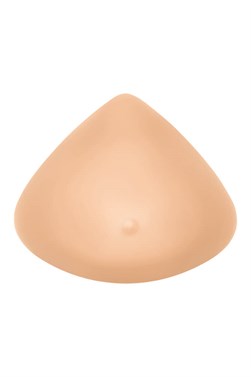
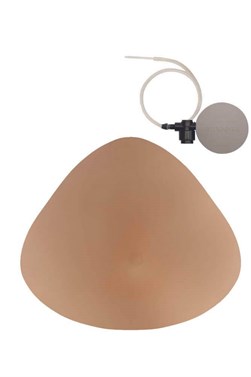
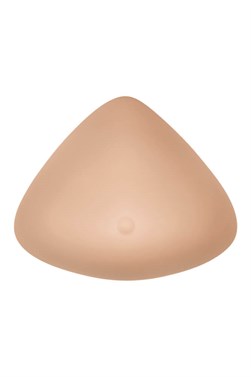
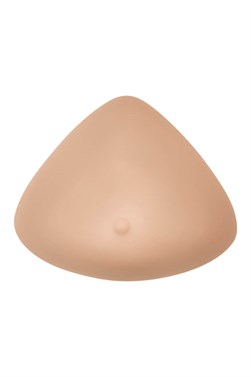
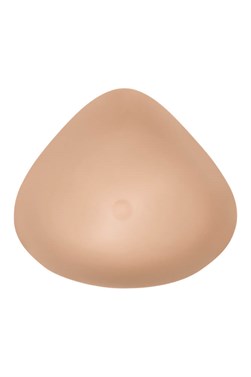
- Breast shapers and lumpectomy breast forms are ideal for restoring balance and symmetry after lumpectomy. Read more about why some women choose this option.
Read: Things you should know about lumpectomy bras and inserts .
Common FAQs
How long does a lumpectomy take?
The surgery can take anywhere between one and two hours, but this can depend on a case-by-case basis, for example, if a sentinel node biopsy is performed. In most instances you’ll be able to go home on the same day.
What is the recovery time?
Typically, one to two weeks, but fatigue and tenderness can last longer. If lymph nodes were removed, you may need extra time off work. Follow your surgeon’s advice on when to return to daily activities – especially around lifting things and exercise.
How long should I wear a bra after lumpectomy?
You’ll usually need to wear a soft, supportive post-surgery bra day and night for at least 4–6 weeks. This helps reduce swelling, supports healing, and protects the incision. Choose a non-wired, front-opening design like Amoena’s post-surgery bras for comfort and gentle compression.
What should I expect from my lumpectomy scar?
Your scar might look red and raised at first, gradually fading into a thinner, softer line over time. It can take several months to fully heal. Some women notice a dent in the breast after lumpectomy or internal scar tissue, which is normal.
What are the signs of infection after lumpectomy?
Signs of infection can include redness, warmth, increasing pain, swelling, or any yellow or cloudy discharge. A low-grade fever or feeling generally unwell can also indicate infection, so please contact your doctor if you experience any of these.
Does breast tissue grow back after lumpectomy?
Once removed, breast tissue does not grow back, but the breast may reshape slightly as swelling subsides.
Is it normal to have breast pain after lumpectomy and radiation?
Mild breast pain after lumpectomy and radiation can happen due to nerve sensitivity or internal scar tissue. This is often harmless, but persistent pain should be discussed with your doctor.
Part two: if you’re supporting a loved one
Need some advice on supporting someone you love as they prep for and recover from a lumpectomy? We’ve got you.
Know that it is totally normal to feel unsure about how to help, and that compassion and patience are some of the best things you can offer. Because this process can be emotionally demanding on you too, make sure you look after your own wellbeing by resting, eating well and relying on your own support network.
Simple ways to support someone having a lumpectomy
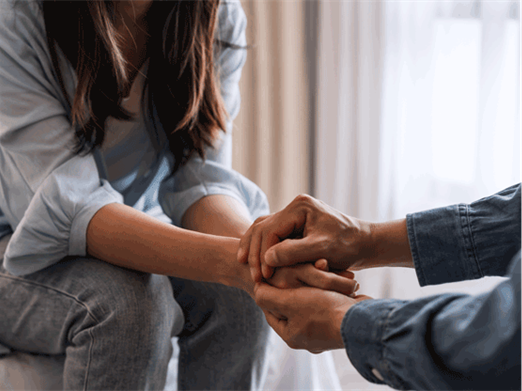
- Be practical: Offer to cook, clean, or provide transport for follow-up appointments.
- Be present: Sometimes quiet company is more comforting than conversation.
- Be encouraging: Respect their choices about how they want to prepare and recover.
"The most powerful thing someone said to me was, ‘You don’t have to do this alone.’ Lean on your support network—it makes all the difference."— amoena Ambassador
Common FAQs for supporters
What’s the best way to support someone before their lumpectomy?
Practical help makes a big difference. Offer to drive them to hospital appointments, help with meals, or tidy around the house. Listen without judgement and remind them they’re not alone. Small gestures of care and calm reassurance can ease anxiety.
What should I say to someone who’s anxious before surgery?
You don’t need to be perfect – just let them know you are there for them and that it’s okay to feel nervous. It really depends on the person and the words of affirmation they find comforting, but generally, avoid phrases like “stay positive”, which can seem dismissive, and instead try something like “whatever you are feeling, I’d like to hear about it so we can face it together!”
How can I help after the lumpectomy?
Encourage rest and help with daily tasks – either just get stuck in or ask them what tasks you can help with to make them feel more relaxed. It could be cooking, walking the dog, folding some laundry or just watching their favourite series.
What if my loved one doesn’t want to talk about their surgery?
Let them open up when they’re ready and gently remind them that when they want to talk, you’re all ears. Quiet companionship like watching a movie or sharing a meal can be more cathartic than conversation.
How can I look after myself while supporting someone after lumpectomy surgery?
Caring for someone after surgery can be emotionally tiring. Make time to rest, eat well, and talk to others if you need support. Taking care of your own wellbeing helps you show up calmly and compassionately when you need to!